
PP OVAL & ROUND CUPSINK
Manufactured by Plastic Fabricators
A laboratory sink does not need to be complicated. It needs to handle everyday liquids, provide a practical way to drain them, and stand up to the environment in which it is being used. Our PP Oval & Round Cup sinks are made for exactly this kind of requirement. Made from tough, black polypropylene material, this cupsink is meant to be installed on laboratory countertops and hoods. This means that the liquids can be drained out through the outlet at the bottom, making the working environment more convenient to work in.
Moreover, polypropylene material provides chemical resistance to many chemicals, unlike other metallic materials which are prone to corrosion and rusting. Plastic Fabricators manufactures and distributes PP oval and round cupsinks.
TECHNICAL DATA
WHAT IS A PP CUPSINK?
A cupsink is a compact sink fitted into a laboratory counter or fume hood.
Its purpose is straightforward. Liquids used during laboratory or process work can be poured into the sink and directed away through the bottom drain instead of being left on the work surface.
Our cupsinks are manufactured from black polypropylene. The material is strong, lightweight compared with many metal alternatives, and resistant to rust and corrosion.
They are available in oval and round forms, allowing the sink shape to be selected according to the counter or hood arrangement.
The cupsink can be used wherever a compact drainage point is needed as part of a laboratory setup.
For installations involving specific chemicals, the actual chemical compatibility should always be checked before selecting the material.
Why Polypropylene Is Chosen for Filter Grids ?
COMPLETE PRODUCT RANGE
TYPES OF PRODUCT
When you work with chemicals, you need tools you can count on. That’s why we make our scrapers, spatulas, and scoops from virgin polypropylene they’re built to handle tough jobs without letting you down.
PP CUPSINK FOR LAB COUNTERS
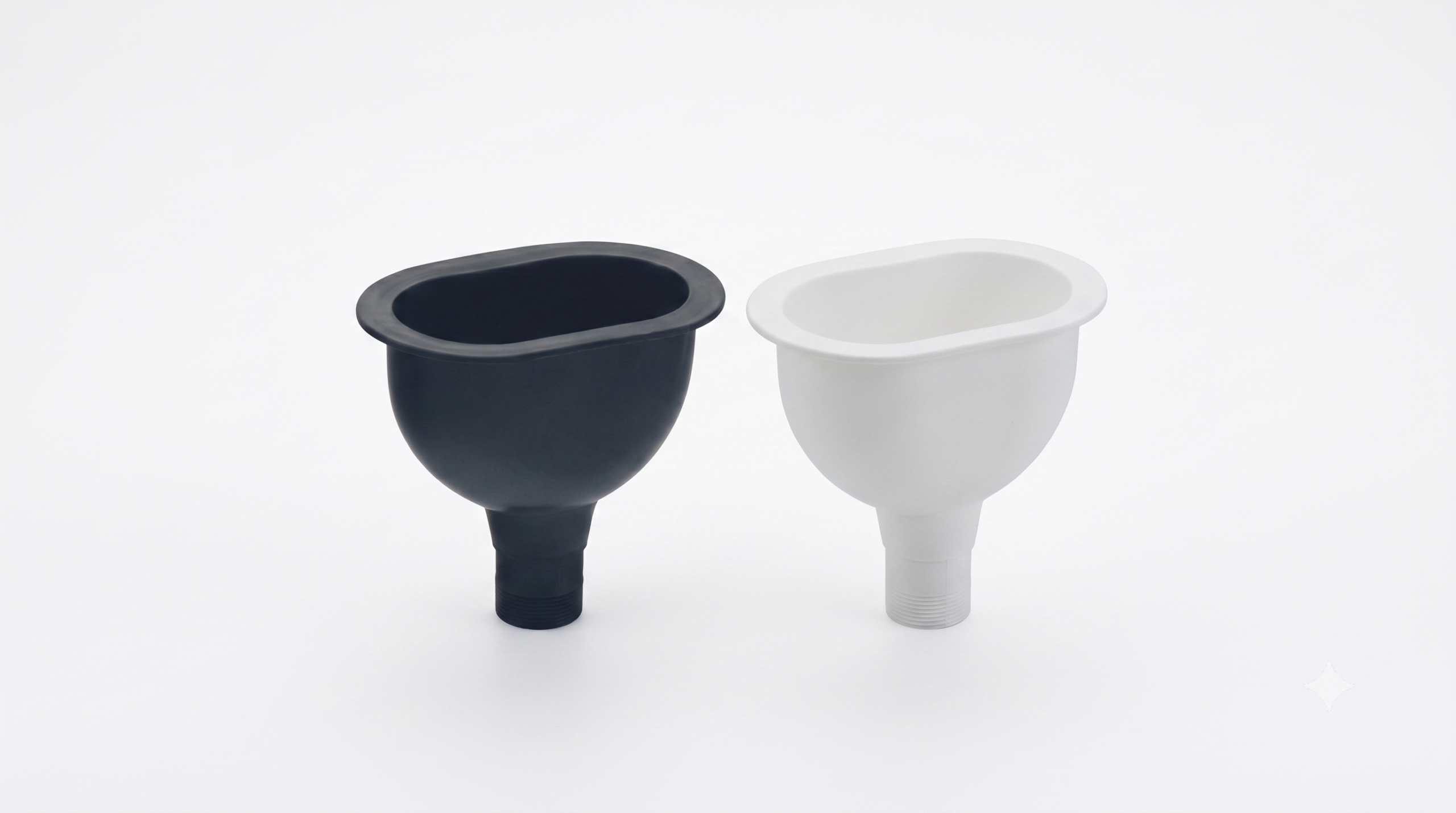
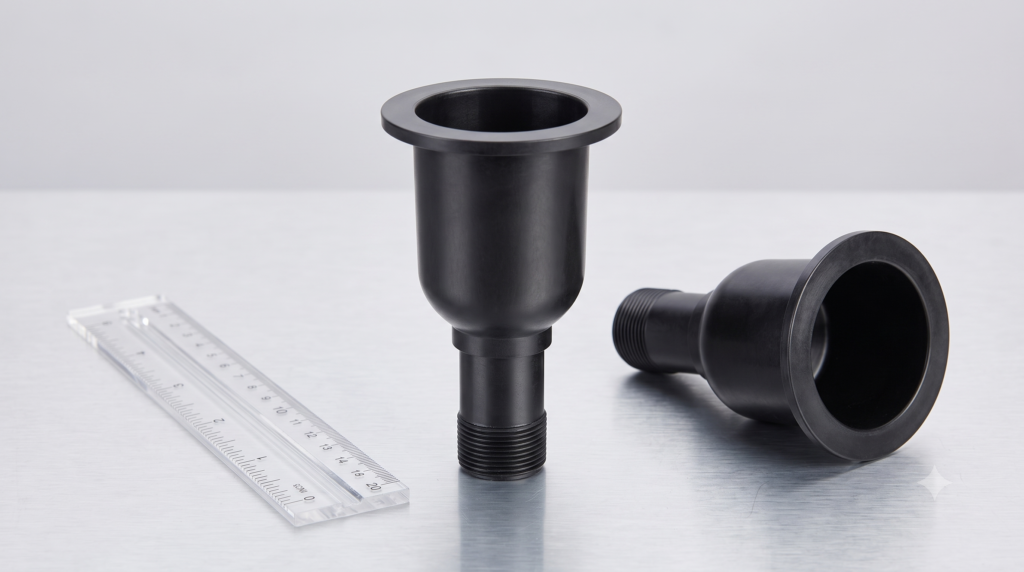
PP Cupsink
Laboratory counters are exposed to more than ordinary spills.
Water, cleaning solutions, chemical residues, and process liquids can all find their way onto the work surface. A dedicated cupsink gives those liquids a defined point for drainage.
The PP construction is well suited to this environment because it does not rust and offers resistance to corrosion.
The cupsink can be positioned within the laboratory counter so that liquids can be directed into the bottom drain without interrupting the main working area.
PP CUPSINK FOR FUME HOODS
Fume hoods are used for laboratory work involving liquids, chemicals, and other materials that need controlled handling.
A cupsink installed within the hood provides a practical drainage point for suitable liquids.
Because the cupsink is made from polypropylene, it offers an alternative to metal components in an area where chemical exposure may be a concern.
The drain connection and installation arrangement should be planned according to the fume hood design and the laboratory’s drainage system.
COMPLETE PRODUCT RANGE
WHERE THESE PP SINKS ARE USED?
PP cupsinks are suitable for applications such as:
- Laboratory work benches
- Laboratory counters
- Fume hoods
- Chemical laboratories
- Industrial laboratories
- Testing laboratories
- Research work areas
- Process laboratory setups
- Laboratory drainage points
- Chemical handling workstations
They are particularly useful where a compact sink is required and resistance to rust and corrosion is important.
ORDERING REFERENCE
SPECIFICATION APPROACH
The key characteristics of the PP grid are its material, construction, and intended use.
Main features of the products are determined by the material of the cupsink, its shape, and installation.
Detailed measurements and the design of drains should be checked with Plastic Fabricators before purchasing.
| Feature | Specification |
|---|---|
| Product | PP Oval & Round Cupsink |
| Material | Black Polypropylene (PP) |
| Available Shape | Oval & Round |
| Drain | Bottom drain |
| Main Installation | Laboratory counters |
| Other Installation | Fume hoods |
| Material Features | Rust-resistant and corrosion-resistant |
| Chemical Resistance | Appropriate for most chemicals |
| Material | Strong polypropylene |
| Use | Drainage of liquids |
APPLICATIONS BY INDUSTRY
WHY POLYPROPYLENE?
- The material used for a laboratory sink matters because the sink is not isolated from the working environment.
- It may come into contact with water, cleaning solutions, chemical residues, or other liquids during normal use.
- Black polypropylene provides several useful characteristics for this type of component. It does not rust, resists corrosion, and can handle most chemicals.
- That makes PP a practical choice for cupsinks used in laboratory counters and fume hoods.
- As with any plastic component, the actual chemical being handled should be considered before installation. Some chemicals may require a specific material or additional compatibility checks.
CUSTOM FABRICATION SERVICES
PP CUPSINK VS METAL SINK
Metal is commonly used for sinks, but it is not always the most convenient choice when chemical exposure is involved.
PP CUPSINK VS METAL SINK
WHY SOME LABS PREFER PLASTIC
Metal is commonly used for sinks, but it is not always the most convenient choice when chemical exposure is involved.
A PP cupsink offers a different set of advantages:
- No rust
- Corrosion resistance
- Suitable for most chemicals
- Lightweight plastic construction
- Available in oval and round designs
- Bottom drainage
- Suitable for laboratory counters
- Suitable for fume hood installations
The final material choice should always be based on the liquids being handled and the requirements of the laboratory.
INSTALLATION:-
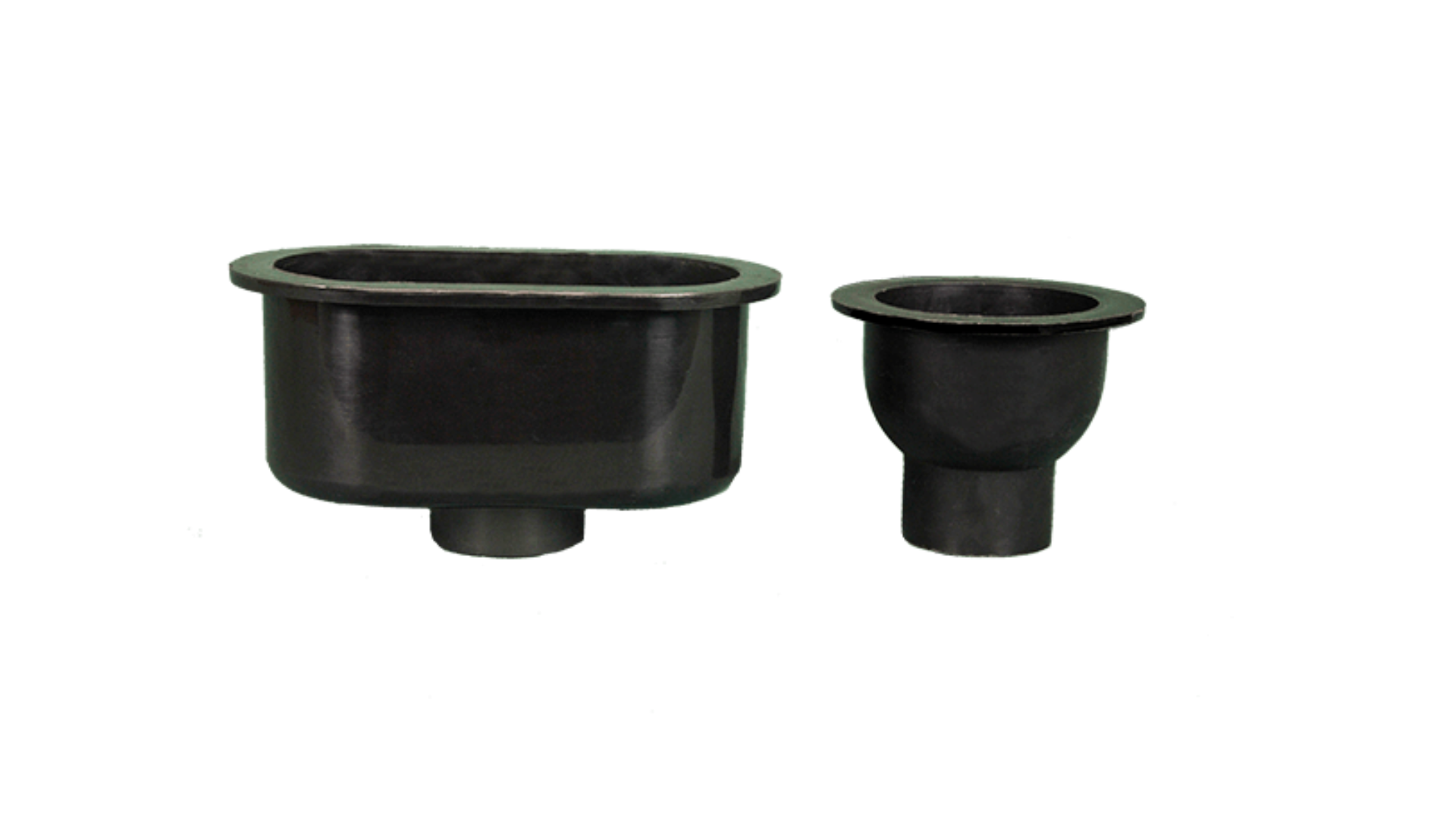
A cupsink may be small, but the installation still needs to be planned properly.
Before ordering, check:
- Available counter space
- Required sink shape
- Opening dimensions
- Sink depth, if specified
- Drain location
- Drain pipe arrangement
- Clearance below the counter
- Fume hood dimensions, where applicable
- Type of liquids being drained
- Chemical exposure
For replacement work, measurements of the existing opening are particularly useful.
TECHNICAL SUPPORT
We Provide Full Technical Support
Our technical team is available to help you select the right profiles, verify load capacities, and confirm chemical compatibility for your specific application.
- ✓Load capacity calculations
- ✓Material selection guidance
- ✓Installation recommendations
- ✓Chemical compatibility data
- ✓Sample profiles for testing (charge applies)
- ✓Project quotations
- ✓Technical questions
- ✓Custom profile development
- ✓Bulk order pricing
CUSTOM REQUIREMENTS
WHEN A STANDARD CUPSINK DOESN'T FIT THE INSTALLATION
Laboratory counters are often fabricated around the equipment they need to accommodate.
That means the available opening and surrounding space can vary from one project to another.
If you are working with an existing laboratory counter or fume hood, share the relevant dimensions before ordering.
Useful information includes:
- Existing opening size
- Sink shape
- Existing cupsink photograph
- Drain position
- Counter thickness
- Available space underneath
- Fume hood arrangement
- Required quantity
This allows the required cupsink configuration to be discussed before production rather than trying to solve installation issues after delivery.
ORDERING INFORMATION
How to Order
Call or message us directly with your requirements. No complex procurement process just tell us what you need, and we will get back to you with pricing and availability. If you are looking for a new or replacement PP grid, send whatever information you have available.
- →Oval or round cupsink required
- →Required quantity
- →Counter opening dimensions
- →Existing cupsink dimensions, if replacing one
- →Photograph of the counter
- →Photograph of the existing sink, if available
- →Drain outlet requirements
- →Laboratory or fume hood application
- →Type of liquids or chemicals involved
- →Installation location
- →Delivery location
- →Required timeline
Call or message for pricing, stock availability, technical data sheets, sample requests, and custom quotes.
- 📞+91 98200 80431
- 📞+91 85919 42677
- ✉️mitesh@plasticfabricators.in
- 📍A-31, Second Floor, Ghanshyam Industrial Estate, Veera Desai Road, Andheri (West), Mumbai – 400053
All information accurate as of publication. Specifications subject to change with process improvements. Call to confirm current specifications for your application.
Ready to Order or Quote?
Call or message us directly. We provide load calculations, material selection guidance, chemical compatibility data, and sample profiles.